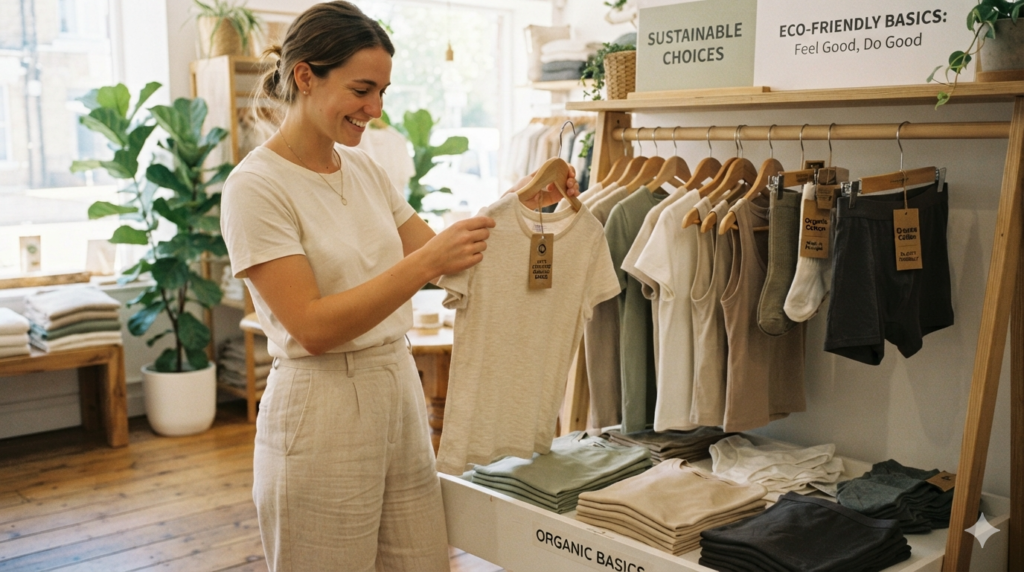

Finding clothes that feel good on your skin and help protect the planet is a wonderful goal. When you look at your daily closet, you might wonder how your favorite garments are made. This is where the concept of organic basics becomes so important for modern shoppers. People everywhere want to wear simple items like t-shirts, underwear, and socks that do not harm the earth. By choosing organic basics, you support a cleaner environment and reduce textile waste. Let us dive deep into why these eco-friendly choices matter so much today.
What Are Organic Basics?
The term organic basics refers to simple, everyday clothing items crafted with earth-friendly methods. These pieces include underwear, tees, leggings, and socks made without harsh chemicals. Traditional clothing often uses toxic dyes and pesticide-heavy cotton that damage soil and water. On the other hand, organic basics focus on clean materials that keep your skin safe and happy. They form the core foundation of a minimalist wardrobe that values quality over fast-fashion quantity.
Why Choose Eco-Friendly Fabrics?
When shopping for organic basics, the type of fabric used makes a huge difference. Brands often use GOTS-certified organic cotton, which grows without dangerous synthetic pesticides. Another popular material found in organic basics is TENCEL lyocell, made from sustainable wood sources. These wonderful fabrics breathe easily, feel super soft, and break down naturally over time. Choosing these textiles means you are actively fighting against pollution with every single outfit you wear.
The Role of Ethical Manufacturing
Creating great organic basics involves more than just picking nice plant fibers. Ethical production means that the people sewing your clothes work in safe conditions. Brands that specialize in organic basics usually partner with certified factories in Europe or fair-trade spaces globally. These workshops ensure workers receive fair pay and reasonable working hours. Knowing who made your clothes adds a special layer of trust and comfort to your daily wardrobe choices.
Durability Versus Fast Fashion
Fast fashion encourages us to buy cheap clothes and throw them away quickly. Organic basics take the exact opposite path by focusing on long-lasting durability. Because these garments use strong, high-quality stitches and premium fibers, they survive countless trips through the washing machine. Investing in organic basics saves you money in the long run because you do not need constant replacements. It is a smart, budget-friendly way to build a reliable closet.
Carbon Footprint and Climate Goals
Many companies making organic basics work hard to measure and reduce their carbon footprint. They plant trees, fund wind farms, and use recycled materials to offset shipping emissions. Buying organic basics lets you participate in these green initiatives directly. Every time a brand cuts down on plastic packaging or water waste, the entire planet wins. Transparency reports from these eco-brands show us exactly how much carbon they save each year.
Minimalist Wardrobes and Capsule Collections
A capsule closet relies heavily on versatile organic basics that match everything. Instead of an overflowing closet full of unworn outfits, you keep a few interchangeable pieces. Pairing a neutral tee from your organic basics collection with jeans creates a timeless look. This minimalist approach reduces decision fatigue in the morning and simplifies your daily routine. Less clutter in your closet often leads to a more peaceful, mindful daily lifestyle.
Caring for Your Sustainable Garments
To keep your organic basics looking fresh, proper garment care is essential. Wash your eco-friendly clothes in cold water using gentle, plant-based detergents. Air drying your organic basics on a clothesline protects the elastic fibers and saves electricity. Treating your garments with kindness ensures they stay soft and supportive for years. Simple maintenance habits are a powerful extension of a sustainable lifestyle.
Spotting True Eco-Friendly Claims
With so much greenwashing online, finding authentic organic basics can feel tricky. Always look for trusted third-party certifications like GOTS, OCS, or GRS on the label. True brands behind organic basics openly share details about their supply chain and factory audits. If a company hides its manufacturing sources, it is wise to look elsewhere. Real transparency builds genuine trust between conscious shoppers and clothing creators.
The Future of Green Apparel
The market for organic basics continues to grow as more people learn about environmental conservation. Designers keep inventing new plant-based dyes and biodegradable blends to replace synthetic plastics. Supporting organic basics today sends a clear message to the entire fashion industry. Corporations will keep changing for the better when shoppers demand clean, responsible production. Your purchasing power helps shape a greener, cleaner tomorrow for everyone.
Quick Comparison of Sustainable Materials
| Material Type | Primary Source | Environmental Benefit | Best Used For |
| Organic Cotton | Plant farms | No toxic pesticides or synthetic fertilizers | T-shirts, underwear |
| TENCEL Lyocell | Sustainable wood | Closed-loop water recycling process | Soft loungewear, dresses |
| Recycled Nylon | Ocean or factory waste | Reduces plastic pollution in landfills | Activewear, leggings |
Frequently Asked Questions
1. What makes organic basics better than regular clothes?
They use chemical-free fabrics that protect your skin and avoid polluting local water systems during production.
2. Are organic basics more expensive to buy?
They can have a higher initial cost because ethical labor and clean materials cost more to produce fairly. However, they last much longer, saving you money over time.
3. How do I know if a brand is truly organic?
Check for official certificates like GOTS or GRS on their website, and look for transparent supply chain reports.
4. Can activewear also be considered part of organic basics?
Yes, many sustainable brands create active leggings and sports bras using recycled nylon and breathable organic blends.
5. How should I wash my sustainable garments?
Use cold water cycles with mild, eco-friendly detergents and hang them up to air dry whenever possible to preserve the fabric.
6. Do these clothes shrink easily in the dryer?
Organic cotton can shrink slightly if exposed to high heat. Air drying is always the safest method to maintain their original fit.
Conclusion
Switching to organic basics is a simple yet powerful way to upgrade your wardrobe while protecting the planet. Every thoughtful purchase supports fair labor, cleaner soil, and less plastic waste. Why not check your closet today and replace one worn-out item with an eco-friendly alternative? Share your favorite sustainable fashion tip in the comments below!