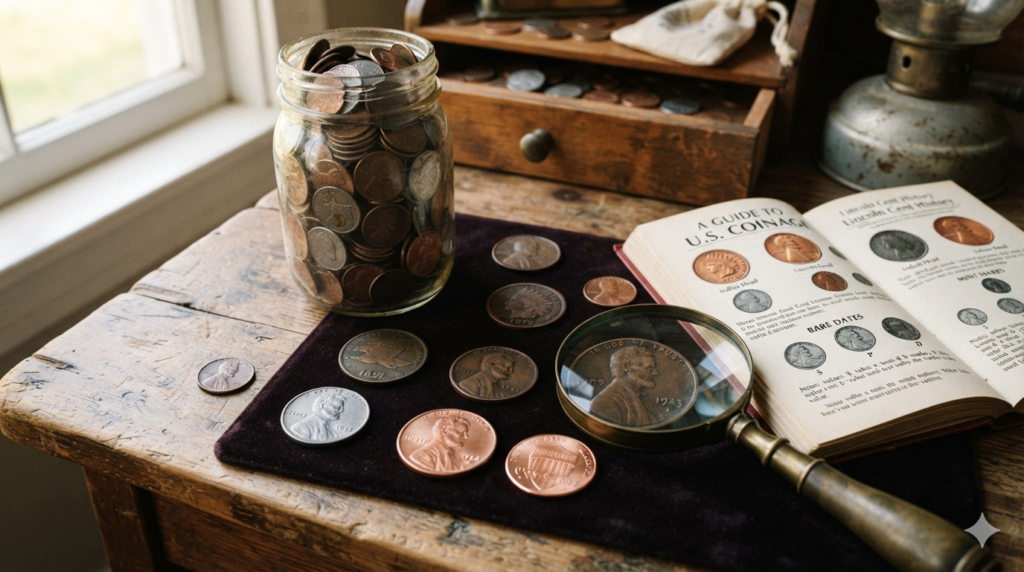

A penny may be one of the smallest coins in everyday currency. Yet, it has a surprisingly rich story. People use it for small purchases, save it in jars, or find it in old drawers. Some collectors also search for rare examples that can be worth far more than face value. The history behind this one-cent coin connects money, culture, design, and changing technology. Its appearance has also changed many times over the years. Materials, portraits, dates, and mint marks can all help identify different versions. Some old coins are common, while others are much harder to find. Condition can also make a major difference in value. This guide explains what makes a penny interesting, how to identify different types, and what beginners should know before collecting coins. Whether you found an old coin at home or simply want to learn more, this article gives you a simple starting point.
What Is a Penny?
A penny is commonly used to describe a one-cent coin. In the United States, the official name is the cent. The term “penny” is widely used in everyday speech, even though the coin is officially valued at one cent. The modern U.S. cent features Abraham Lincoln on the front. Its reverse design has changed several times throughout its history. The coin has also been made from different metals and mixtures. Copper was important in many earlier versions. Later coins used zinc with a thin copper coating. These material changes helped reduce production costs. The small value of the coin can make it seem unimportant. However, its history shows how currency changes with society. A single coin can reveal information about an era, manufacturing methods, and national history. This makes the penny interesting to both casual users and serious collectors.
History of the Penny
The story of the penny reaches back many generations. Coins similar to the modern cent appeared in early American currency systems. The first U.S. cents were larger and looked very different from coins used today. Early designs included symbols connected with liberty and American identity. In 1909, the Lincoln cent became a major milestone in U.S. coin history. It was introduced to mark the 100th anniversary of Abraham Lincoln’s birth. The design was created by Victor David Brenner. Lincoln remained on the front for more than a century. The reverse design changed over time to reflect different periods. During World War II, copper shortages caused another important change. Some cents were produced using zinc-coated steel in 1943. These unusual coins are now popular with collectors. The long history of the penny makes it an excellent entry point for people learning about American coins.
How Much Is a Penny Worth?
The face value of a penny is one cent. However, its collector value can be very different. Several factors determine what a coin may actually sell for. Age is one factor, but it does not automatically make a coin valuable. Rarity is often more important. Condition also matters because collectors generally prefer coins with strong details and limited wear. Mint marks can provide additional information about where a coin was produced. Errors can sometimes increase interest and value as well. For example, a genuine minting mistake may attract collectors who specialize in unusual coins. Metal content can also matter for certain older examples. Online listings should not be treated as guaranteed market values. Sellers may ask high prices without finding buyers. Auction results and reputable coin dealers provide better clues. Always inspect the date, mint mark, condition, and design before estimating value.
What Makes a Penny Rare?
Rarity is one of the biggest reasons a penny can attract collectors. A coin may be rare because only a small number were produced. Another coin may be rare because most examples were later destroyed or removed from circulation. Minting errors can create additional scarcity. These mistakes can include unusual lettering, doubled details, missing elements, or incorrect materials. Not every unusual-looking coin is valuable, though. Damage can sometimes make a normal coin appear strange. Scratches, dents, cleaning marks, and corrosion may reduce collector interest. This is why careful inspection is important. Collectors often compare coins with trusted references and professional photographs. Historical importance can also increase demand. A coin connected with an unusual event may receive more attention. The key lesson is simple: unusual does not always mean valuable. A rare coin combines scarcity with collector demand, authenticity, and condition.
Common Types of Pennies
There are many types of U.S. cents that collectors may encounter. Indian Head cents were produced before the Lincoln cent became popular. Lincoln cents then became one of the best-known American coin series. Within the Lincoln series, several reverse designs appeared. The Wheat reverse was used from 1909 through 1958. The Lincoln Memorial reverse followed and remained in production for decades. Later designs included the Union Shield reverse. These changes help collectors organize coins by period and design. Material differences are another useful classification method. Most modern cents have a zinc core with copper plating. Earlier examples contain much more copper. Wartime steel cents are especially recognizable because of their silver-gray appearance. Collectors often organize coins by date, mint mark, design, or condition. Starting with one design series can make collecting easier. It also helps beginners learn how small design details can identify different coins.
How to Identify an Old Penny
Identifying an old coin does not require expensive equipment. Start by looking at the date on the front. Next, check for a small mint mark when one is present. The mint mark can help identify the facility where the coin was made. Examine both sides under good lighting. Look closely at lettering, numbers, portraits, and unusual details. Avoid cleaning the coin before identification. Harsh cleaning can leave scratches and reduce collector appeal. A simple magnifying glass can help you see small features. Compare the coin with trusted reference images. Pay special attention to the metal color and weight when a coin looks unusual. A basic digital scale can sometimes help with identification. However, weight alone should never prove authenticity. Counterfeit coins exist, especially for famous rare dates. When a coin appears potentially valuable, professional authentication may be worthwhile.
Why Coin Condition Matters
Condition can strongly influence the value of collectible coins. A heavily worn coin may have lost many of its original details. A well-preserved example can show sharper lettering, clearer dates, and stronger design features. Collectors often use grading systems to describe condition. Professional grading companies can examine coins and assign grades. Higher grades generally indicate better preservation. However, condition should always be considered alongside rarity and demand. A common coin in excellent condition may still have limited value. Meanwhile, a rare coin with noticeable wear may remain highly desirable. Storage is therefore important for anyone building a collection. Keep coins away from moisture, chemicals, and unnecessary handling. Hold valuable coins by their edges instead of touching the surfaces. Avoid polishing or scrubbing them. Natural surfaces can be important to collectors. Good storage helps protect both the appearance and potential value of your collection.
Penny Errors Collectors Look For
Minting errors are another exciting part of coin collecting. An error happens when something goes wrong during the manufacturing process. Some errors are obvious, while others require close inspection. Doubled designs are among the errors collectors often study. Other examples can involve incorrect dates, missing details, or unusual planchets. A planchet is the blank metal piece used before a coin receives its design. Some famous error coins have become highly sought after. Still, many supposed errors are simply damaged coins. Damage can happen after a coin leaves the mint. Scratches, bending, chemical exposure, and machine damage are common examples. This is why beginners should avoid assuming every unusual mark is an error. Compare the feature with known examples before making a claim. Professional opinions can help when a suspected error appears significant. Authenticity is especially important when the potential value is high.
How to Start a Penny Collection
Starting a collection can be simple and inexpensive. You do not need a large budget or rare coins. Begin with coins you already have at home. Sort them by date and design. Then look for different mint marks and unusual examples. A basic coin album can keep your collection organized. You can also use protective holders for individual coins. Keep notes about where each interesting coin came from. Record the date, mint mark, condition, and any special features. This information can become useful later. Beginners should focus on learning rather than making quick profits. Visit coin shows, read trusted references, and speak with experienced collectors. Never clean coins just to make them look newer. Natural surfaces can be more desirable. Over time, you will learn how to recognize common coins, scarce examples, and potential errors. The learning process is one of the most enjoyable parts of collecting.
Penny Value Guide
The following table provides a simple overview of factors that can affect collectible value. Actual prices can vary based on condition, rarity, authenticity, and market demand.
| Factor | What to Check | Possible Impact |
|---|---|---|
| Date | Look at the year | Some dates are scarcer |
| Mint Mark | Check letters near the date or design | Can identify production location |
| Condition | Look for wear and damage | Better condition may increase demand |
| Metal | Check the coin’s material | Certain compositions are collectible |
| Error | Look for genuine minting mistakes | Some errors can be valuable |
| Rarity | Research production numbers | Scarcity may increase interest |
| Demand | Check collector interest | Popular coins may sell more easily |
| Authenticity | Verify the coin is genuine | Critical for valuable examples |
| Design | Identify the reverse and portrait | Helps classify the coin |
| Provenance | Record the coin’s history | Useful for special collections |
How to Store Your Coins Safely
Proper storage helps protect coins from damage. Moisture is one of the biggest concerns because it can encourage corrosion. Store your collection in a dry environment with stable temperatures. Use holders made for coin storage rather than random plastic containers. Some plastics can contain chemicals that may affect coin surfaces over time. Avoid placing coins loosely together because they can scratch each other. Handle valuable coins carefully by their edges. Finger oils can leave marks on the surface. If you need to inspect a coin, hold it over a soft surface. This can reduce damage if you accidentally drop it. Never use household cleaners, metal polish, or abrasive materials. Cleaning may remove the original surface and reduce collector appeal. Good storage does not need to be expensive. Simple, proper protection can keep a collection safe for many years.
Should You Sell an Old Penny?
Finding an old coin does not always mean you should sell it immediately. First, identify exactly what you have. Check the date, mint mark, design, condition, and possible errors. Then compare prices from reliable sources. Look at completed sales instead of only current asking prices. This gives you a better idea of what buyers actually pay. For potentially valuable coins, consider getting more than one opinion. Reputable dealers can explain how they reached a valuation. Professional grading may also be useful for important examples. Be careful with online claims promising huge profits for ordinary coins. Viral posts often exaggerate coin values. A realistic approach is much safer. If you decide to sell, understand the fees involved with auctions and marketplaces. Selling privately may also involve risks. Take your time and research before accepting an offer.
Why Pennies Still Matter
Even though one-cent coins have low purchasing power, they remain culturally important. They appear in sayings, traditions, collections, and everyday habits. People often keep coins because they remind them of a trip, family member, or special event. Others enjoy the history contained in old currency. Coin collecting also teaches practical skills. You learn to research, compare details, preserve objects, and question unsupported claims. These skills are useful beyond collecting. The penny also shows how money changes with technology and economic conditions. Production methods have evolved, and materials have changed over time. Public discussions about the usefulness and cost of low-value coins continue in different countries. Regardless of those debates, the one-cent coin remains an interesting piece of monetary history. Its small size does not tell the whole story. Sometimes, the most ordinary objects can hold the most interesting history.
Frequently Asked Questions
1. Is every old penny valuable?
No, not every old penny has significant collector value. Age alone does not guarantee a high price. Rarity, condition, mint marks, errors, and collector demand all matter. Many older coins are still common and may sell for modest amounts. Before assuming your coin is valuable, identify its exact type and compare it with reliable market information.
2. What is the most important thing to check first?
Start with the date. The year can quickly narrow down the type of coin you have. Then check the mint mark, design, condition, and metal. These details can help you determine whether further research is worthwhile. Taking clear photographs can also make identification easier.
3. Should I clean an old penny?
It is usually best not to clean collectible coins. Scrubbing, polishing, or using chemicals can damage the original surface. Such damage may reduce collector interest. If a coin looks dirty, leave it alone until you know what it is. Professional advice is better than experimenting with household cleaning products.
4. Are mint errors always valuable?
No. A genuine mint error can attract collectors, but value depends on rarity and demand. Some errors are common enough to have limited premiums. Other unusual marks are caused by damage after production. Compare suspected errors with trusted references before deciding that a coin has a minting mistake.
5. How can beginners learn coin collecting?
Start with common coins and learn their designs. Keep a notebook or digital record of your collection. Read reputable coin references and visit local coin shows when possible. You can also learn from experienced collectors. Most importantly, take your time. Good research is more useful than chasing every coin that looks unusual.
6. Where can I get a coin professionally valued?
A reputable coin dealer can provide an initial opinion. For potentially valuable or rare coins, professional grading and authentication services can provide stronger evidence. Consider getting more than one opinion when the amount involved is significant. Always ask how the valuation was determined and whether there are fees for the service.
Conclusion
A penny may look simple, but its story is anything but simple. Its designs, materials, minting methods, and history have changed across generations. Some examples are common, while others attract collectors because of rarity, errors, or exceptional condition. If you have old coins at home, start by examining them carefully. Record their dates and mint marks. Avoid cleaning them until you understand what you have. Most importantly, enjoy the research process. Coin collecting is not only about finding something expensive. It is also about discovering history through objects people once carried in their pockets. With patience and good information, anyone can begin building a meaningful collection. A small coin can be the start of a fascinating hobby, a history lesson, or a lifelong interest in numismatics.